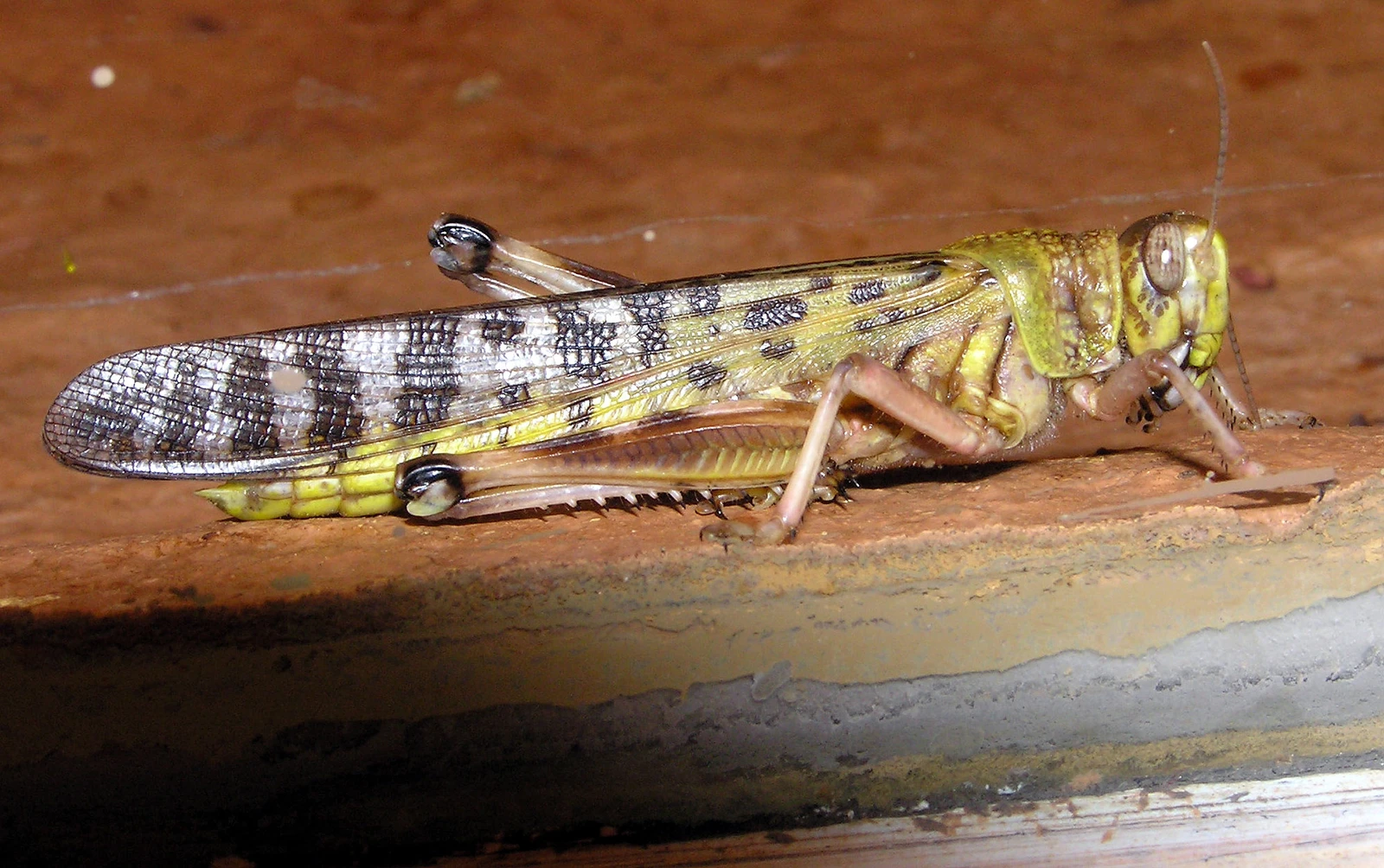
Crickets listen with their legs, mosquitoes use their antennae, and some spiders pick up airborne sound with sensitive hairs. Here is how bugs detect the sounds around them.
Butterflies taste leaves with their feet, flies have taste sensors on their wings, and scorpions sample the ground with sensory combs. How do these organs work, and what can they tell a bug about its surroundings?
Insects deliver air through branching tubes, many spiders have lungs that look like tiny books, and some soil animals breathe through their body surface. Explore how insects, arachnids, myriapods, and other hexapods get oxygen on land and underwater.
Cicada wings can shed jumping droplets, butterflies can break up raindrops, and fire ants build floating rafts. But water-repelling surfaces have limits. Here is what rain, wet wings, and flooding actually mean for insects and other small bugs.