Megalotomus
Fieber, 1860
Species Guides
1- Megalotomus quinquespinosus(Lupine Bug)
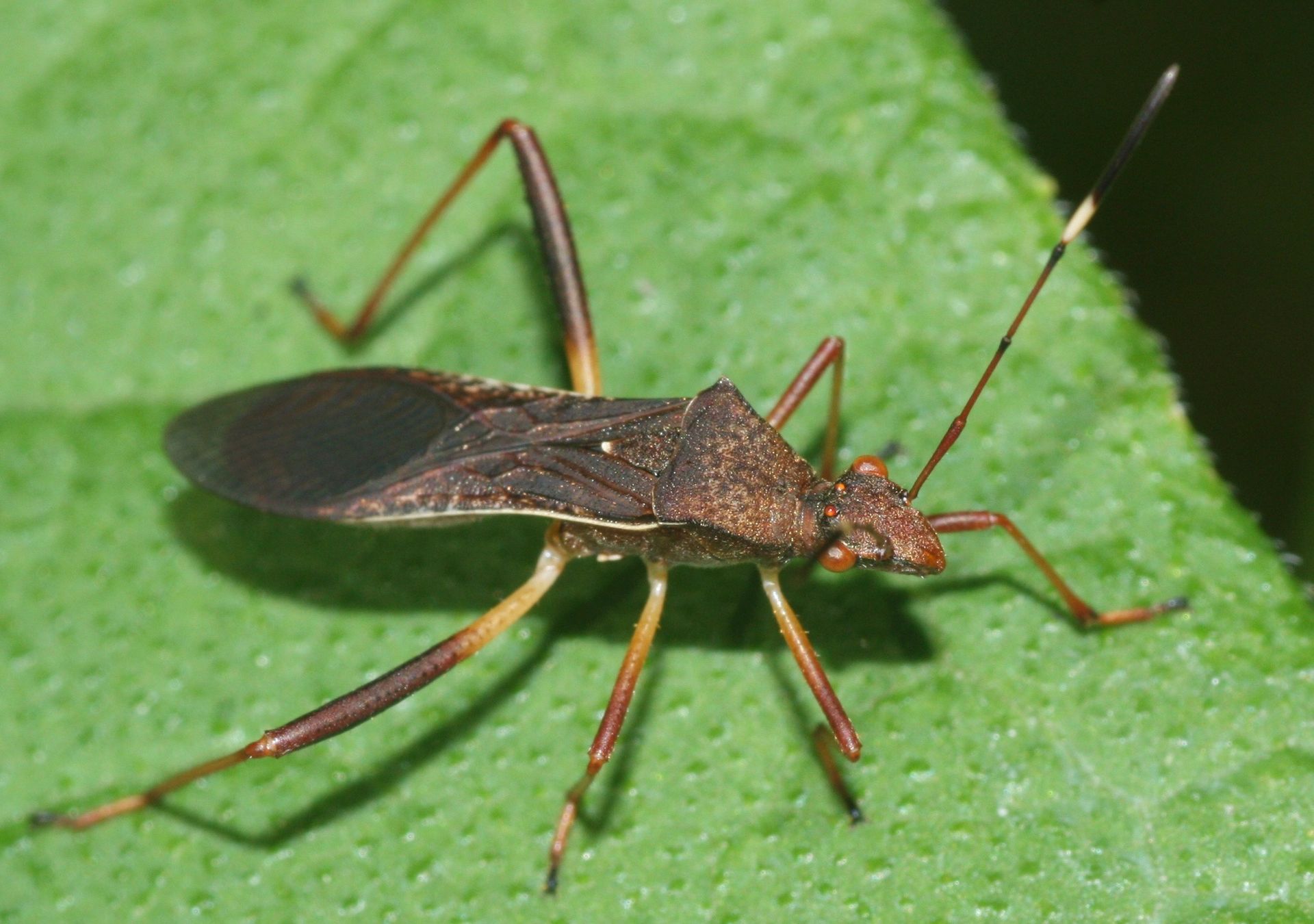
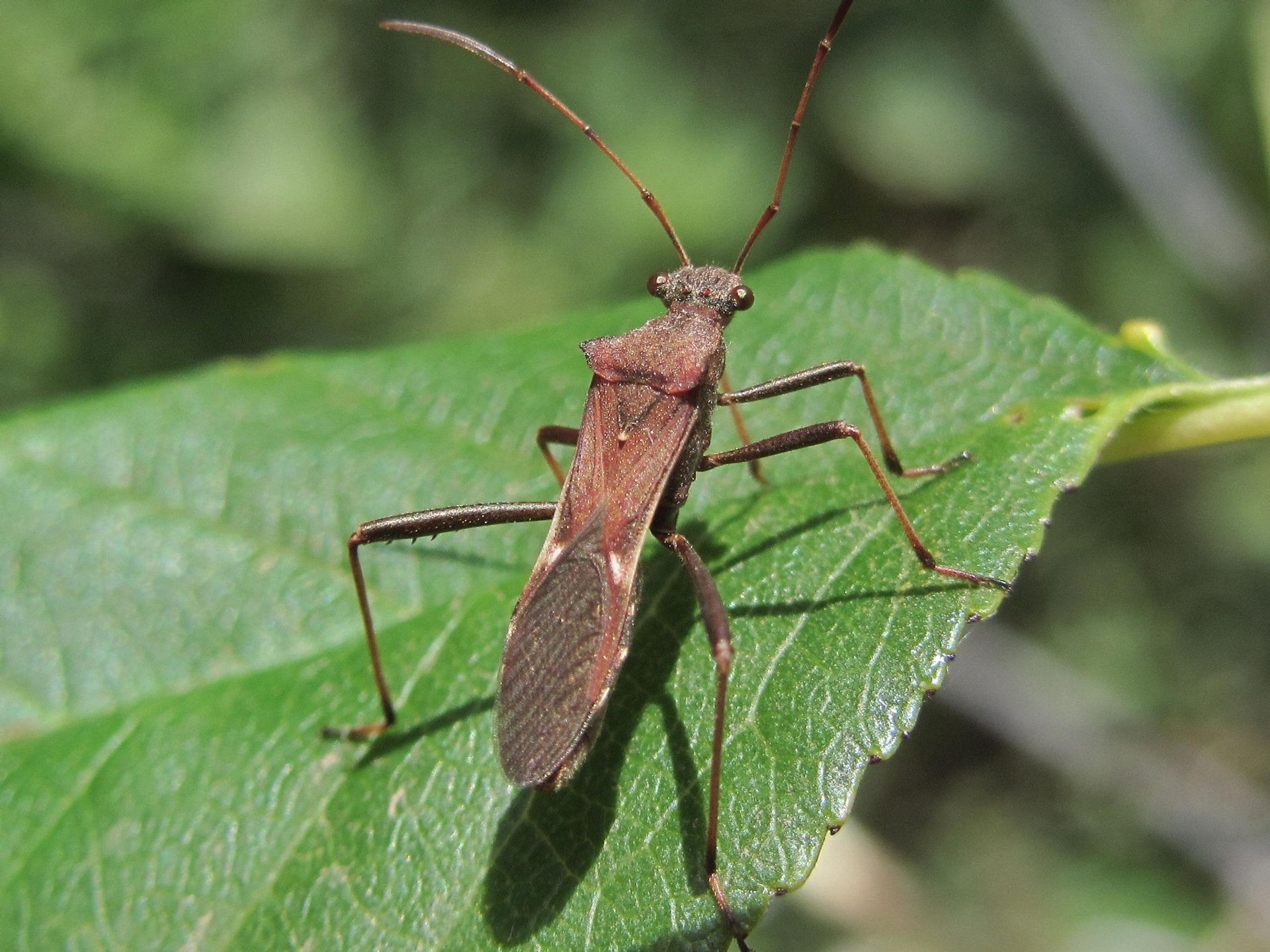
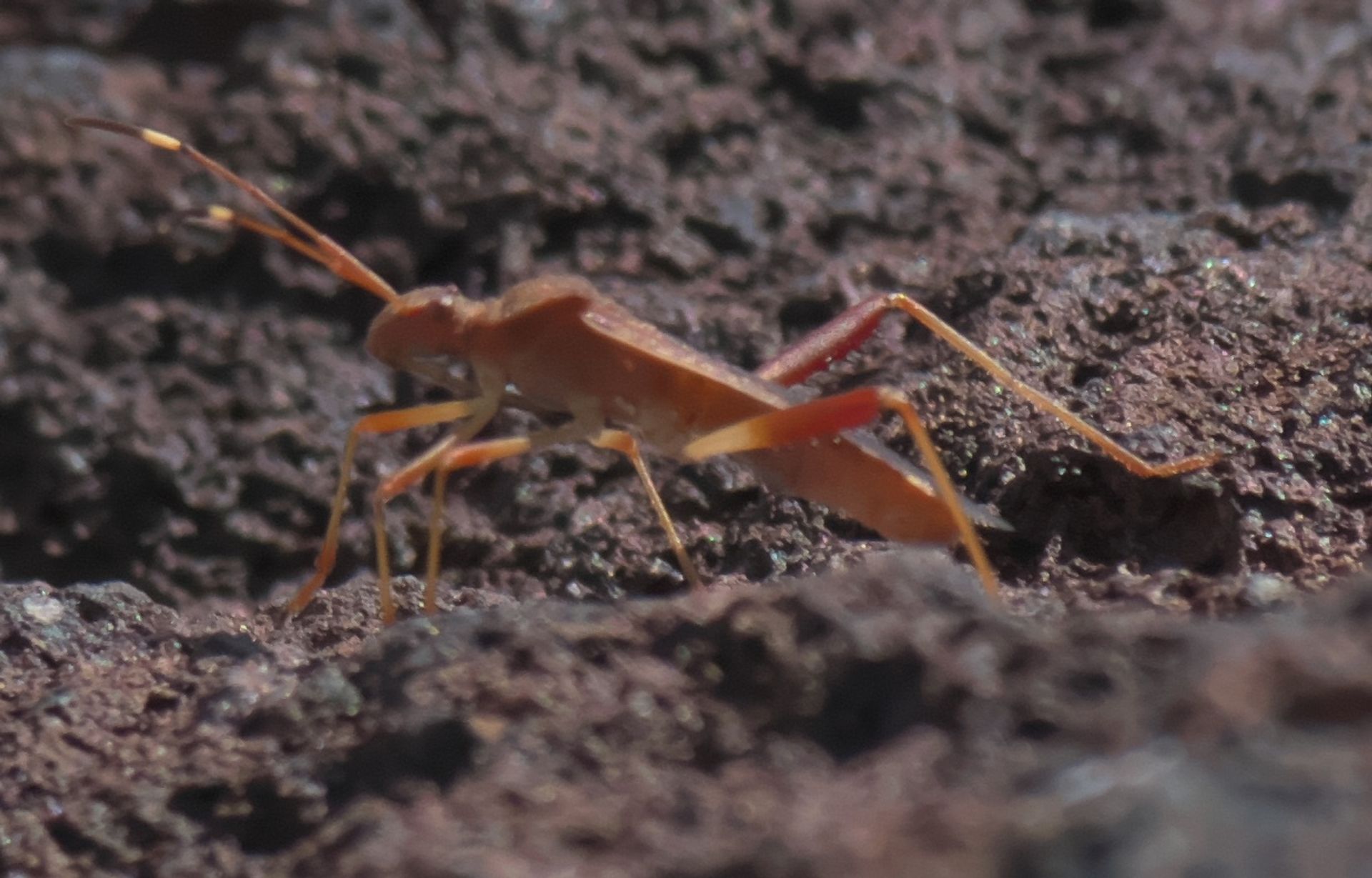
Megalotomus is a of broad-headed bugs ( Alydidae) comprising approximately eight to nine described . These true bugs are primarily associated with leguminous plants, with some species documented feeding on seeds and pods of crops such as soybean, lupin, and green beans. Certain species, notably Megalotomus quinquespinosus (the lupine ), have been observed exhibiting facultative and carrion-feeding , consuming animal and carrion to obtain nitrogen and minerals. The genus occurs across multiple continents including North America, the Palaearctic region, and parts of Asia.
Pronunciation
How to pronounce Megalotomus: /mɛˌɡæloʊˈtoʊməs/
These audio files are automatically generated. While they are not always 100% accurate, they are a good starting point.
Identification
Members of Megalotomus can be recognized by the broad, somewhat flattened characteristic of the Alydidae , which gives these their of "broad-headed bugs." The head is distinctly wider than the pronotum. within Megalotomus are distinguished by features of the male external genitalia and overall body proportions. For accurate species-level identification, examination of genitalic structures is typically required.
Images
Habitat
Agricultural and natural associated with leguminous vegetation; soybean fields, legume cropping systems, meadows, and grasslands. Some occupy open landscapes where their plants and alternative food sources such as animal occur.
Distribution
Widely distributed across temperate and tropical regions. Records include North America (United States, Canada), the Palaearctic region (China, Pakistan, Austria, Bulgaria), and Brazil. Specific distribution varies by .
Diet
Primarily seeds and pods of leguminous plants. Megalotomus parvus shows optimal development and on mature soybean seeds. Megalotomus quinquespinosus has been documented feeding on carrion and animal , including fox scat containing remains of small mammals, representing facultative to obtain nitrogen and minerals.
Host Associations
- Glycine max - herbivoresoybean seeds and pods; primary for M. parvus
- Phaseolus vulgaris - herbivoregreen beans; secondary
- Lupinus luteus - herbivorelupin seeds and pods; suboptimal
- Lupinus - herbivore 'lupine ' for M. quinquespinosus reflects association
Life Cycle
Five nymphal instars precede the stage. Nymphal developmental duration varies significantly by food source, with first instar being shortest and fifth instar longest. to adulthood depends on nutritional quality of plant material.
Behavior
Some exhibit facultative and carrion-feeding, unusual among plant-feeding Hemiptera. This behavior allows exploitation of nitrogen-rich resources unavailable from plant alone.
Ecological Role
Seed-feeding herbivores on leguminous plants; potential agricultural pests of soybean and other legume crops. Through , some participate in nutrient recycling within terrestrial , contributing to decomposition of animal remains.
Human Relevance
Some may act as pests of leguminous crops, particularly soybean. The lupine (M. quinquespinosus) has been studied for its unusual feeding habits. The is of interest to entomologists studying the evolutionary transition between plant-feeding and detritivory in true bugs.
Similar Taxa
- AlydusAlso in Alydidae; shares broad-headed ; Megalotomus angulus was transferred from Alydus based on revised classification
- LeptoglossusBoth are coreoid with somewhat expanded body forms, but Leptoglossus (leaf-footed bugs) has distinctly leaf-like expansions on hind tibiae and different proportions
Sources and further reading
- BugGuide
- Wikipedia
- GBIF taxonomy match
- iNaturalist taxon
- NCBI Taxonomy
- Catalogue of Life
- Recycling of the shrew: Broad-headed bug, Megalotomus quinquespinosus — Bug of the Week
- Bug Eric: What's on Dat Scat?
- Archive — Bug of the Week
- Biology of Megalotomus quinquespinosus (Hemiptera: Alydidae)
- Biology of Megalotomus parvus (Hemiptera: Alydidae) on Selected Leguminous Food Plants
- Notes on Megalotomus Fieber, 1860 in the Palaearctic Region (Hemiptera, Heteroptera, Alydidae)