Empicoris rubromaculatus
(Blackburn, 1888)
Thread Bug
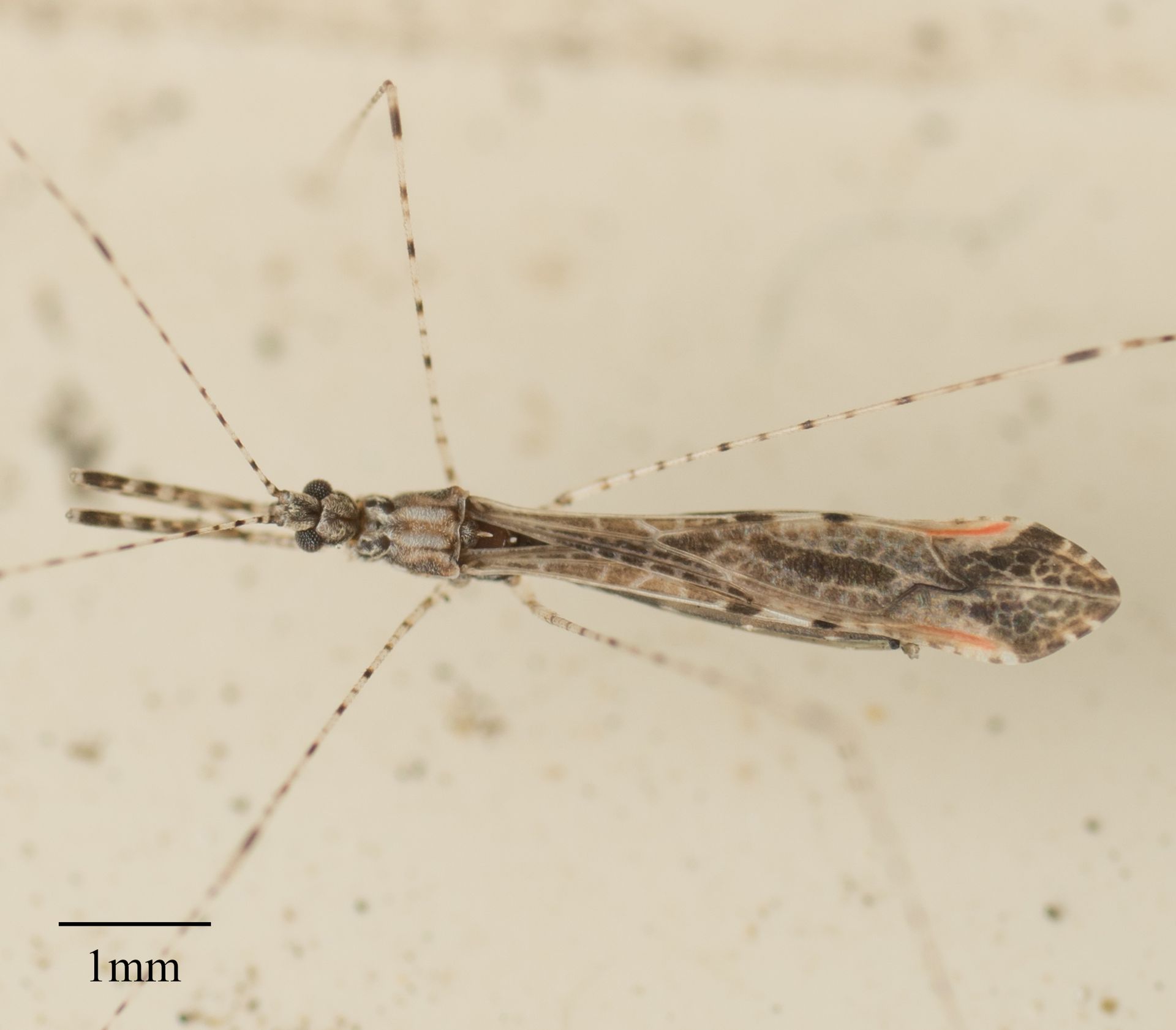
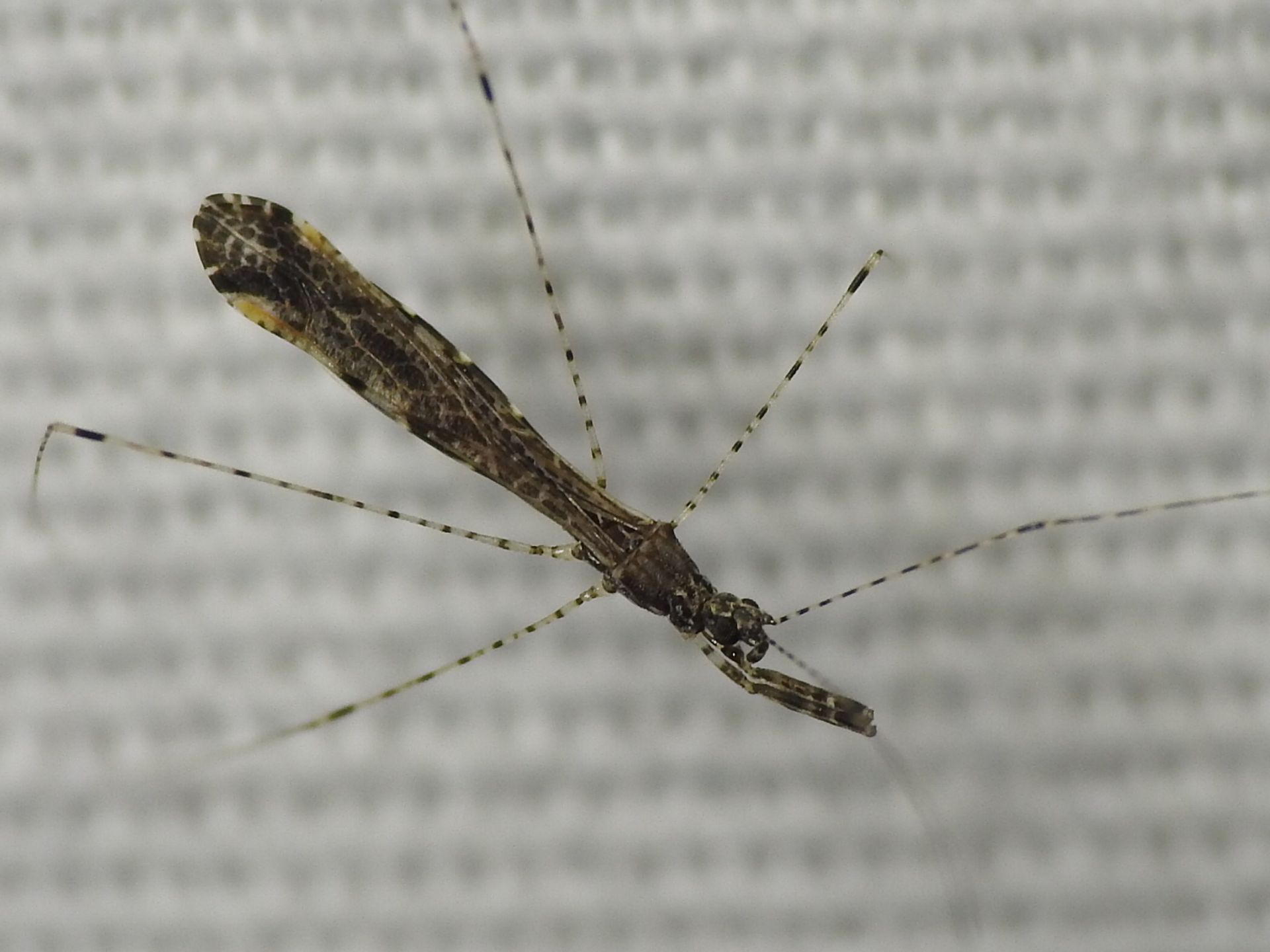
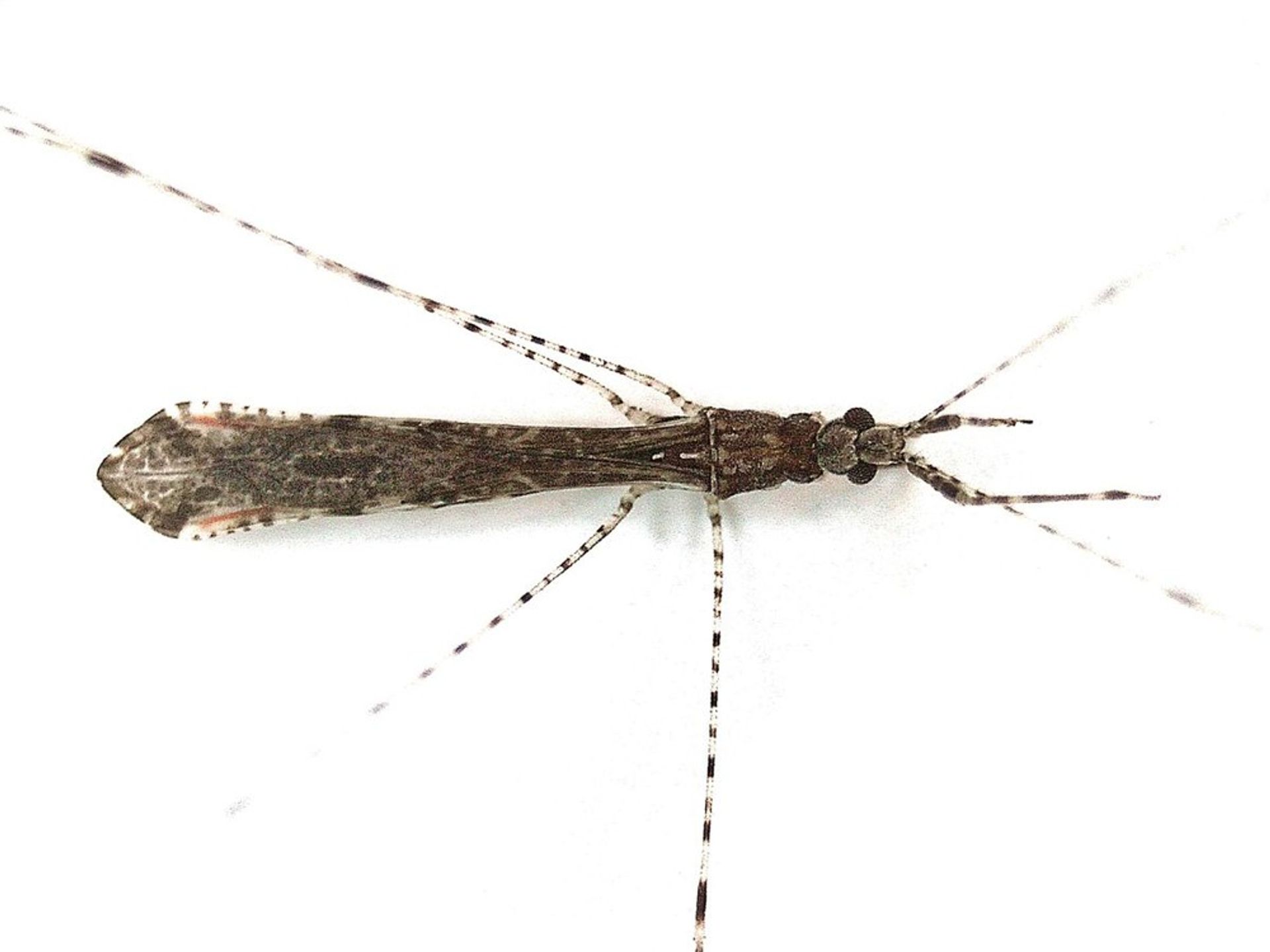
Empicoris rubromaculatus is a thread-legged assassin bug in the Reduviidae, commonly known as the thread . It is characterized by its elongated, slender body and exceptionally long, thread-like legs. The has been documented in North America and Oceania, with distribution records from the Azores islands including Faial, Flores, Pico, São Miguel, and Santa Maria. It has been observed at ultraviolet light sources, suggesting activity.
Pronunciation
How to pronounce Empicoris rubromaculatus: /ˌɛmpɪˈkɔrɪs ˌruːbroʊˌmækjuˈleɪtəs/
These audio files are automatically generated. While they are not always 100% accurate, they are a good starting point.
Identification
Thread-legged bugs in the Empicoris are distinguished from other Reduviidae by their extremely slender, elongate bodies and disproportionately long, thin legs that give them a spider-like appearance. The specific epithet 'rubromaculatus' suggests reddish markings, though detailed pattern description is not available in sources. They can be separated from other thread-legged genera by subtle characters of leg segmentation and body proportions that require close examination.
Images
Distribution
North America and Oceania. Specific distribution records include the Azores islands: Faial, Flores, Pico, São Miguel, and Santa Maria.
Behavior
Has been observed at ultraviolet light sources, suggesting foraging or attraction to light. As a member of the Emesinae , likely employs an ambush strategy using its long legs to capture prey.
Similar Taxa
- Empicoris subparallelusAnother thread-legged bug in the same , found in similar ; distinguished by subtle morphological differences in body shape and leg proportions.