
Exoprosopa pueblensis
Jaennicke, 1867
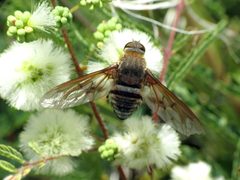
Exoprosopa pueblensis is a of bee fly in the Bombyliidae, described by Jaennicke in 1867. The Exoprosopa comprises approximately 325 species distributed globally, many of which are found in arid and semi-arid regions. This species is part of the Anthracinae and tribe Exoprosopini. Like other bee flies, likely visit flowers for nectar.
Pronunciation
How to pronounce Exoprosopa pueblensis: /ˌɛksoʊˈproʊsəpə ˌpweɪˈblɛnsɪs/
These audio files are automatically generated. While they are not always 100% accurate, they are a good starting point.
Identification
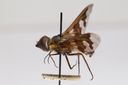
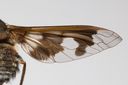
Exoprosopa generally exhibit the characteristic bee fly : a stout, furry body with a long for nectar feeding. Specific distinguishing features for E. pueblensis relative to are not documented in available sources. Members of this typically have patterned wings and may show in structure.
Images
Distribution
The specific epithet 'pueblensis' suggests a connection to Puebla, Mexico, though precise distribution records are limited. The Exoprosopa has broad distribution across the Americas, Europe, Africa, and Asia.
Similar Taxa
- Other Exoprosopa speciesMembers of this large share similar -mimic and require detailed examination of wing venation, body patterning, and genitalia for definitive identification.
More Details
Taxonomic Note
The name 'pueblensis' is a Latinized adjective likely referring to the Mexican state of Puebla, suggesting the type locality. The Exoprosopa was established by Macquart in 1840 and remains one of the largest genera in Bombyliidae.